Mini split air conditioners, also known as ductless systems, offer efficient and flexible cooling solutions for homes and businesses. Whether you’re upgrading your current system or installing a new one, understanding the key features and considerations can help you make an informed decision.
What Is a Mini Split Air Conditioner?
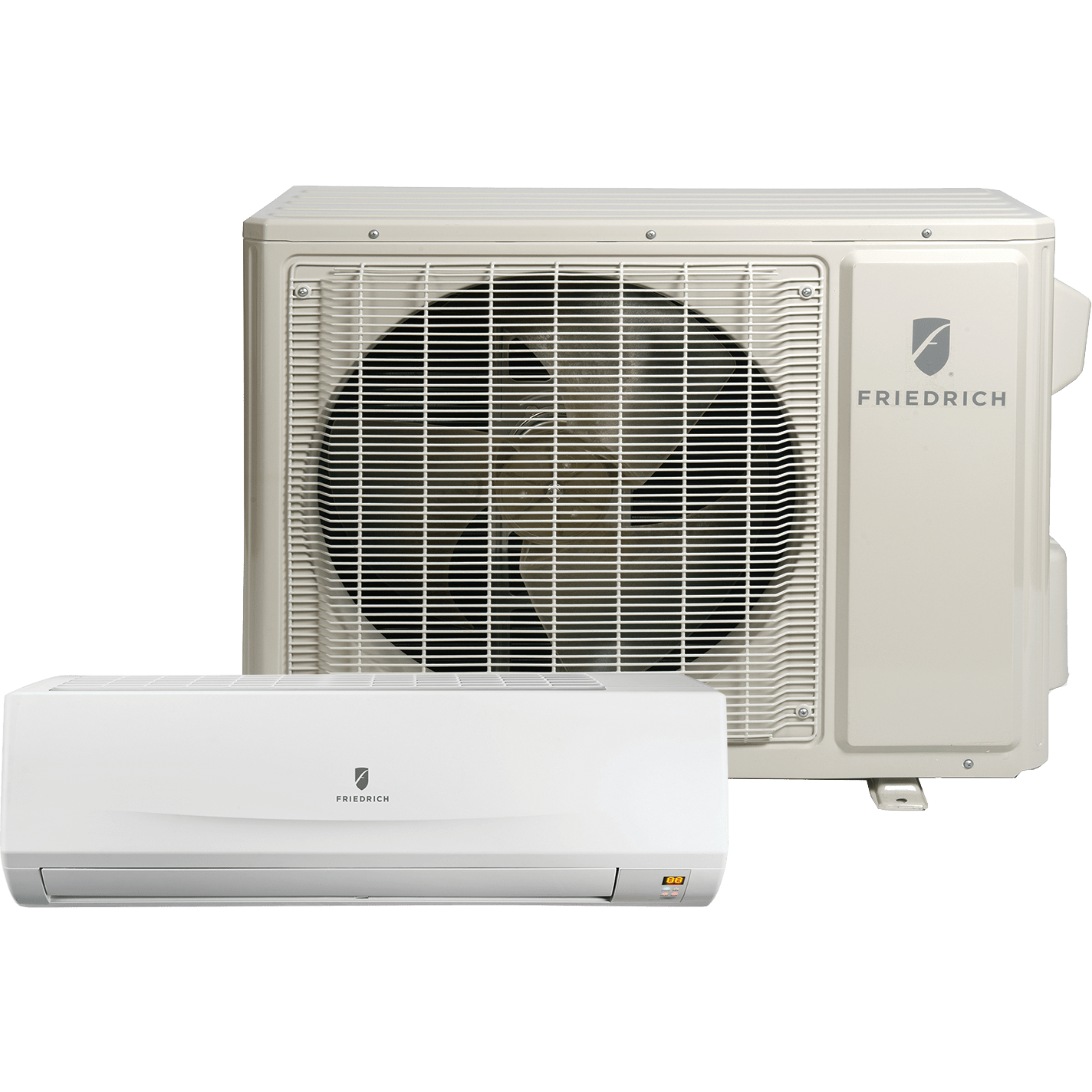
A mini split system consists of two main components:
- Indoor Unit: Mounted on the wall or ceiling inside the room.
- Outdoor Unit: Placed outside the building, typically on the ground or mounted on a wall.
These systems are connected by refrigerant lines and electrical wiring, allowing for efficient cooling without the need for ductwork.
Key Benefits of Mini Split Systems
- Energy Efficiency: Mini splits use inverter technology to adjust compressor speed, leading to reduced energy consumption.
- Zoning Capability: Each indoor unit can be controlled independently, allowing for customized temperature settings in different rooms.
- Quiet Operation: The compressor is located outside, resulting in quieter indoor operation compared to traditional air conditioners.
- No Ductwork Required: Ideal for homes without existing ductwork or for room additions.
Factors to Consider When Choosing a Mini Split System
1. Cooling Capacity (BTUs)
The cooling capacity of a mini split system is measured in British Thermal Units (BTUs). Selecting the appropriate BTU rating is crucial for effective cooling:
- Up to 350 sq. ft.: 6,000–8,000 BTUs
- 351–700 sq. ft.: 9,000–12,000 BTUs
- 701–1,000 sq. ft.: 12,000–18,000 BTUs
- 1,000+ sq. ft.: 18,000+ BTUs
Note: It’s advisable to consult with a professional to determine the exact BTU requirements based on your specific space and conditions.
2. Number of Zones
Decide how many rooms or areas you wish to cool. Mini split systems can be:
- Single-Zone: One indoor unit connected to one outdoor unit.
- Multi-Zone: Multiple indoor units connected to a single outdoor unit, allowing for independent temperature control in each zone.
3. Inverter Technology
Inverter technology allows the compressor to operate at variable speeds, adjusting to the cooling needs of the space. This leads to:
- Improved Energy Efficiency: Reduced energy consumption compared to traditional systems.
- Consistent Comfort: Maintains a stable temperature without frequent on/off cycling.
4. SEER Rating
The Seasonal Energy Efficiency Ratio (SEER) measures the cooling efficiency of an air conditioner. Higher SEER ratings indicate better efficiency:
- 14.3 SEER2: Minimum required by federal laws.
- Higher SEER Ratings: Offer greater energy savings over time.
5. Noise Levels
Consider the noise levels of both the indoor and outdoor units. Look for systems with noise ratings that suit your comfort preferences, especially if the unit will be installed in bedrooms or offices.
6. Installation Requirements
Professional installation is recommended for mini split systems. Ensure that:
- Refrigerant Lines: Are properly installed through a small hole in the wall.
- Electrical Connections: Meet local codes and standards.
- Outdoor Unit Placement: Is in a location with adequate airflow and protection from elements.
7. Additional Features
Modern mini split systems come with various features to enhance comfort and convenience:
- Remote Control: Allows for easy temperature adjustments from anywhere in the room.
- Programmable Timers: Set the system to operate at specific times, optimizing energy use.
- Wi-Fi Connectivity: Control the system remotely via smartphone apps.
- Air Purification: Built-in filters to improve indoor air quality.
Maintenance Tips
To ensure optimal performance and longevity of your mini split system:
- Regular Cleaning: Clean or replace filters as recommended by the manufacturer.
- Check for Leaks: Inspect refrigerant lines for any signs of leakage.
- Professional Servicing: Schedule annual maintenance with a licensed HVAC technician.
Conclusion
Mini split air conditioners offer a versatile and efficient solution for cooling your space. By considering factors such as cooling capacity, number of zones, inverter technology, SEER rating, noise levels, installation requirements, and additional features, you can select the system that best fits your needs.