tafilian
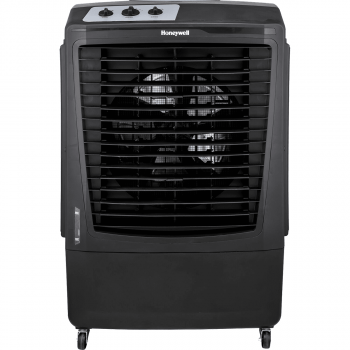
When summer temperatures soar, staying cool becomes a priority. While traditional air conditioners are effective, they can be energy-intensive and costly. Enter the swamp cooler—a device with a quirky name but a smart, sustainable approach to cooling.
Table of Contents
What Is a Swamp Cooler?
Also known as evaporative coolers, swamp coolers utilize the natural process of water evaporation to lower air temperatures. As warm air passes through water-saturated pads, it cools down and is then circulated throughout the space. This method is particularly effective in hot, dry climates, making it ideal for regions like the southwestern United States.
Why Choose a Swamp Cooler?
- Energy Efficiency: Swamp coolers consume significantly less electricity than traditional air conditioners, leading to lower energy bills.
- Eco-Friendly: By avoiding the use of refrigerants and relying on a natural cooling process, these devices have a smaller environmental footprint.
- Cost-Effective: With lower operational costs and minimal maintenance requirements, swamp coolers are a budget-friendly cooling solution.
- Versatility: They are perfect for various settings, including patios, garages, warehouses, and outdoor events.
Pros and Cons
Pros:
- Energy-Efficient: Swamp coolers use far less electricity than air conditioners, which helps reduce your energy bills.
- Environmentally Friendly: Since they don’t rely on harmful chemicals like refrigerants, swamp coolers are a greener option compared to traditional cooling methods.
- Cost-Effective: Both the initial cost and the operational costs are typically lower than those of conventional air conditioning systems.
- Ideal for Dry Climates: In areas with low humidity, they can effectively cool large spaces without much energy use.
- Natural Cooling: The process of evaporation is a natural way to cool the air, which many find more pleasant and less harsh than traditional air conditioning.
Cons:
- Limited Effectiveness in Humid Areas: In humid climates, evaporation is less effective, and swamp coolers may struggle to adequately cool the space.
- Regular Maintenance: Swamp coolers require consistent maintenance, such as replacing cooling pads and ensuring the water tank is clean and full.
- Water Usage: Since they rely on water for cooling, they require a steady supply of water, which might not be ideal for areas with water restrictions or limited water supply.
- Potential for Mold Growth: Swamp coolers can develop mold or mildew in the water pads or ducts if not properly maintained.
- Noise: Some swamp coolers can be louder than air conditioners, which might be a concern in quiet settings.
Ideal Applications
These coolers are best suited for:
- Outdoor Spaces: Keep your patio or deck comfortable during summer gatherings.
- Workshops and Garages: Maintain a cooler environment while working on projects.
- Warehouses: Provide relief for employees in large, open spaces.
- Events: Ensure guests stay cool during outdoor functions.
Considerations Before Purchasing
While swamp coolers offer numerous benefits, it’s essential to consider:
- Climate Suitability: They are most effective in dry climates and may not perform well in humid conditions.
- Regular Maintenance: To ensure optimal performance, pads should be cleaned or replaced periodically.
- Water Supply: A consistent water source is necessary for continuous operation.
Swamp coolers present an energy-efficient, environmentally friendly alternative to traditional air conditioning. Their ability to cool spaces effectively, especially in dry climates, makes them a valuable addition to homes and businesses alike. For more information and to explore various models, visit Sylvane’s comprehensive guide on swamp coolers.