

 tafilian
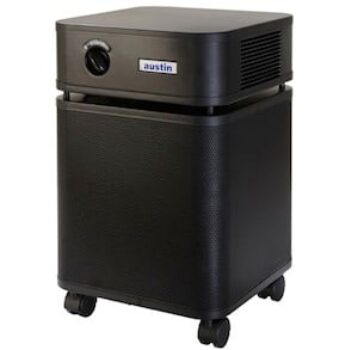
Investing in a high-quality commercial air purifier is one of the most effective ways to improve indoor air quality and create a healthier workplace or learning environment. The COVID-19 pandemic highlighted the critical need for clean indoor air in both residential and commercial environments. This is especially true for offices and schools, where maintaining pure air helps minimize the spread of viruses and bacteria and protects those with weaker immune systems. Beyond health benefits, clean air enhances concentration, productivity, and overall performance for employees, students, and educators.
Why Indoor Air Quality Matters in Commercial Spaces
Commercial air purifiers work by removing pollutants and airborne particles such as dust, pollen, pet dander, mold spores, and smoke. This is crucial for individuals suffering from asthma or allergies, as it alleviates symptoms and promotes easier breathing. Additionally, poor air quality can lead to increased fatigue, headaches, and decreased cognitive function, all of which affect productivity and well-being.
Medical-grade commercial air purifiers go beyond standard filtration by incorporating advanced HEPA filters that trap smaller particles and airborne viruses. This reduces viral exposure within offices or schools, helping to prevent illness outbreaks. If infection occurs, these purifiers can reduce the viral load in the air, supporting the body’s immune defenses. However, it’s important to remember that virus transmission also occurs through surface contact and close interaction—so hygiene practices remain essential.
Understanding Commercial Air Purifier Filtration Technology
Most commercial air purifiers use hospital-grade HEPA filters designed to capture microscopic particles. Compared to regular HEPA filters, medical-grade filters are denser and more efficient, capturing more allergens, bacteria, mold, and viruses. Some models feature additional technologies such as UV-C light treatment and activated carbon filters for even greater purification, making them ideal for office and school environments.
Key Features to Expect in the Best Commercial Air Purifiers
- Medical-Grade Filtration: While HEPA filters are considered the benchmark for residential air purifiers—capturing up to 99.97% of particles as small as 0.3 microns—medical-grade HEPA filters offer even higher performance. These advanced filters effectively eliminate allergens, bacteria, mold spores, and viruses, providing superior air purification for commercial settings.
- Durability and Reliability: In office and school environments, air purifiers need to be dependable and durable. Commercial-grade models are constructed with heavy-duty steel components and straightforward controls, ensuring they can endure continuous, everyday use. Many also come with extended warranties, reflecting their long-lasting reliability.
- Smart Air Quality Sensors: Equipped with real-time air quality monitors, top models automatically adjust fan speeds to continuously optimize air purification without manual intervention.
- User-Friendly Controls: Simple, intuitive interfaces and remote controls make it easy for staff and teachers to operate the units without disruption.
- Portability Options: Compact, lightweight designs with wheels are available to conveniently move air purifiers between rooms, meeting the needs of versatile commercial spaces like offices with multiple areas or multi-room schools.
- Appropriate Sizing: To guarantee efficient purification, air purifiers should filter the full room’s air at least four times per hour. Choosing a model rated for your exact room size ensures optimal performance.
- Quiet Operation: Low noise levels are essential in office and classroom settings to avoid distractions and maintain a focused atmosphere.
By prioritizing these features, businesses and educational institutions can select the best commercial air purifiers that deliver clean, healthy air and support overall well-being in 2025 and beyond.


